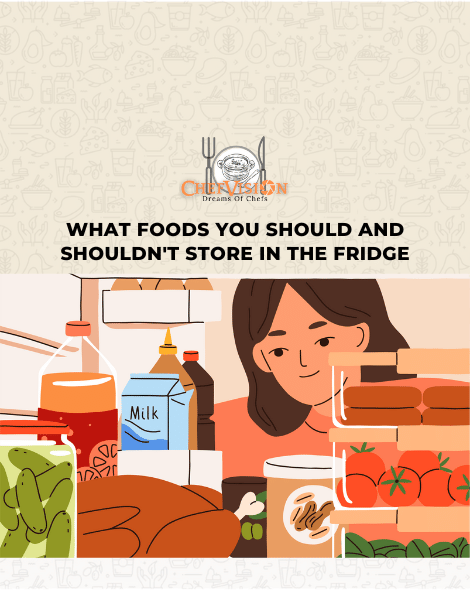
What Food or Ingredients Cannot Be Stored in the Fridge and What Can Be Stored in the Fridge
Refrigeration is a common method to extend the shelf life of many foods, but not everything benefits from being kept in the fridge. In fact, some ingredients can deteriorate faster or lose their essential qualities when refrigerated. This article explores which foods and ingredients should and should not be stored in the fridge, helping you maintain their optimal flavor, texture, and nutritional value.
Foods That Should Not Be Stored in the Fridge
1. Tomatoes: Refrigerating tomatoes can alter their texture, making them mealy and less flavorful. Tomatoes thrive at room temperature, where they can continue to ripen and develop their full taste potential.
2. Potatoes: The cold temperature of the fridge can convert the starches in potatoes into sugar more quickly, affecting their taste and texture. Store potatoes in a cool, dark place like a pantry.
3. Onions: Onions need a dry, ventilated environment to stay fresh. Refrigeration can cause them to become soft and moldy. Keep them in a well-ventilated area, away from potatoes to prevent sprouting.
4. Garlic: Similar to onions, garlic needs a cool, dry place. Refrigeration can cause it to sprout and develop mold. A pantry or a garlic keeper is ideal for storage.
5. Bread: Storing bread in the fridge can make it stale faster due to the crystallization of starch molecules. Keep bread at room temperature in a breadbox or a well-sealed bag.
6. Avocados: Unless they are ripe, avocados should not be stored in the fridge. Cold temperatures can halt the ripening process. Once ripe, you can refrigerate them to prolong their shelf life.
7. Bananas: Bananas are tropical fruits and do not fare well in cold temperatures, which can cause their skins to turn black and the fruit to lose flavor. Store them at room temperature.
8. Honey: Refrigerating honey can cause it to crystallize and become hard to use. Honey has a long shelf life and should be stored at room temperature in a tightly sealed container.
9. Coffee: Coffee beans and grounds can absorb moisture and odors from the fridge, which can affect their flavor. Store coffee in an airtight container in a cool, dark place.
10. Oils: Most oils, such as olive oil and coconut oil, can solidify and become cloudy in the fridge. Store them in a cool, dark pantry.
Foods That Can Be Stored in the Fridge
1. Dairy Products: Milk, cheese, yogurt, and other dairy products should be kept in the fridge to prevent spoilage and bacterial growth. Ensure they are stored in sealed containers to avoid absorbing other odors.
2. Meat, Poultry, and Fish: Raw and cooked meats, poultry, and fish need to be refrigerated to prevent bacterial contamination. Store them in the coldest part of the fridge, usually the bottom shelf, in airtight containers or well-wrapped packaging.
3. Eggs: Although eggs can be stored at room temperature in some countries, refrigeration helps maintain their freshness and reduces the risk of bacterial growth. Keep them in their original carton to prevent them from absorbing other odors.
4. Leafy Greens and Herbs: Leafy greens like spinach, lettuce, and kale, as well as fresh herbs, should be stored in the fridge to keep them crisp and fresh. Wrap them in damp paper towels and place them in perforated bags to maintain humidity.
5. Berries: Strawberries, blueberries, raspberries, and other berries can spoil quickly at room temperature. Refrigerate them in a single layer on a paper towel-lined container to extend their freshness.
6. Cooked Foods and Leftovers: To prevent foodborne illnesses, cooked foods and leftovers should be promptly refrigerated within two hours of cooking. Store them in shallow containers to cool quickly and evenly.
7. Condiments: Ketchup, mustard, mayonnaise, and salad dressings usually contain preservatives but should still be stored in the fridge once opened to maintain their quality and flavor.
8. Beverages: Juice, soda, and wine benefit from refrigeration, especially after opening, to maintain freshness and prevent spoilage.
9. Butter and Margarine: These spreads can be kept in the fridge to maintain their texture and prevent rancidity. Butter can be stored at room temperature for short periods if kept in a covered dish to protect it from light and air.
10. Nuts and Seeds: Nuts and seeds can go rancid due to their high oil content. Storing them in the fridge can help extend their shelf life and keep them fresh longer.
Tips for Optimal Storage
1. Temperature Control: Keep your fridge at or below 40°F (4°C) to slow the growth of bacteria and mold.
2. Proper Organization: Store foods in their designated sections. Dairy products on upper shelves, raw meat on the bottom, and fruits and vegetables in crisper drawers.
3. Airtight Containers: Use airtight containers or wrap foods properly to prevent cross-contamination and the absorption of odors.
4. Regular Cleaning: Clean your fridge regularly to prevent mold and bacteria buildup. Wipe spills immediately and check for expired items weekly.
5. Use by Dates: Pay attention to expiration dates and use by dates, rotating older items to the front to use them first.
Understanding which foods and ingredients belong in the fridge and which do not can significantly impact the quality and longevity of your groceries. By following these guidelines, you can keep your ingredients fresh, flavorful, and safe to eat, reducing waste and enhancing your culinary creations.
Back to List