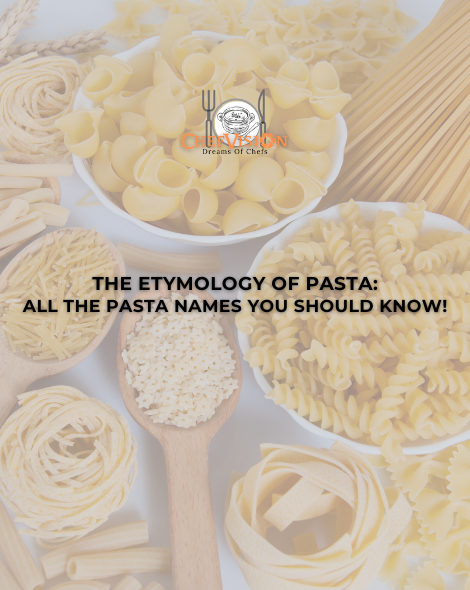
Pasta, a staple of Italian cuisine and a beloved dish worldwide, has a rich history deeply intertwined with the evolution of language and culture. Its journey from ancient origins to modern culinary delights offers a fascinating glimpse into the etymology of this versatile food.
Origins of Pasta:
The exact origins of pasta are shrouded in mystery, but its story likely begins in ancient times. Some historians trace its roots back to the Etruscans and ancient Greeks, who consumed a precursor to pasta made from grains and water. However, it was the Romans who refined the art of pasta-making, producing a variety of shapes and forms similar to those we enjoy today.
The Etymology of "Pasta”
The word "pasta" itself has a fascinating etymology. It derives from the Italian word "pasta," which means "dough" or "paste." This term evolved from the Latin word "pasta," which referred to a type of porridge or dough-like mixture. The transition from porridge to pasta as we know it today highlights the culinary ingenuity of ancient civilizations.
Iconic Varieties of Pasta
Pasta comes in a myriad of shapes and sizes, each with its own unique name and culinary characteristics. Here are just a few iconic varieties that have left an indelible mark on the world of pasta:
1. Spaghetti: Perhaps the most famous of all pasta varieties, spaghetti is long, thin strands of pasta that are typically served with a variety of sauces, from marinara to carbonara.
2. Fettuccine: This ribbon-like pasta is slightly wider than spaghetti and pairs beautifully with creamy sauces like Alfredo or rich meat-based ragù.
3. Ravioli: Ravioli consists of filled pasta pockets sealed between two layers of thin dough. They can be stuffed with a variety of fillings, including cheese, meat, or vegetables, and are often served with a savory sauce.
4. Penne: Penne are short, cylindrical tubes of pasta with angled ends, making them ideal for capturing sauce. They're a versatile choice for a wide range of pasta dishes.
5. Farfalle: Also known as bowtie or butterfly pasta, farfalle is named for its distinctive shape resembling a butterfly or bowtie. Its elegant appearance makes it a popular choice for pasta salads and creamy sauces.
6. Linguine: Similar to spaghetti but slightly wider, linguine is a flat pasta that pairs well with seafood-based sauces or light, olive oil-based sauces.
Conclusion
In conclusion, the etymology of pasta offers a fascinating glimpse into the linguistic and culinary history of this beloved dish. From its ancient origins to its modern-day iterations, pasta continues to captivate our taste buds and inspire culinary creativity around the globe. So, whether you prefer classic spaghetti or adventurous ravioli, take a moment to savor the rich tapestry of flavors and traditions woven into every bite of pasta. Buon appetito!
Read more Unlocking Culinary Excellence: Elevate Your Dining Experience with Chef Vision