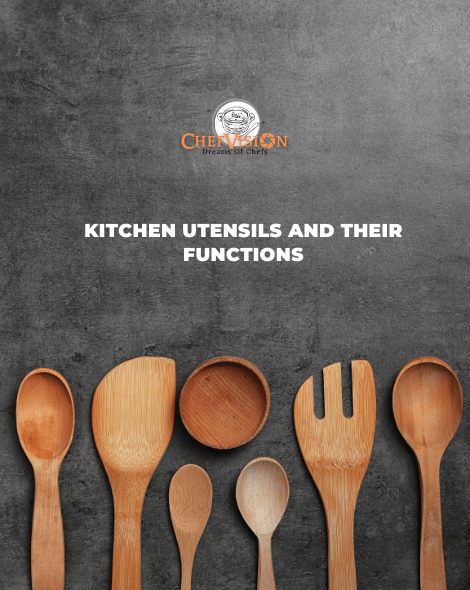
Stepping into a kitchen can feel overwhelming. Rows of gleaming knives, an assortment of spoons in various shapes and sizes, and gadgets with names you can barely pronounce – it's enough to make even the most enthusiastic cook hesitate. But fret not, culinary adventurer! This comprehensive guide will equip you with the knowledge to navigate this world of tools and transform you into a kitchen maestro.
The Foundation: Utensils for Everyday Tasks
A well-stocked kitchen doesn't require every fancy gadget under the sun. Instead, focus on building a solid foundation with these essential utensils that cover a broad range of tasks:
-
Knives: The heart and soul of any kitchen, a good set of knives is paramount. A chef's knife serves as your all-purpose workhorse, perfect for chopping, slicing, and dicing vegetables, meat, and herbs. A serrated knife tackles crusty bread and tomatoes with ease. A paring knife is ideal for intricate tasks like peeling fruits and vegetables.
-
Cutting Boards: Protect your countertops and keep your knives sharp by using dedicated cutting boards. Opt for a sturdy material like wood or bamboo. Consider having separate boards for raw meat and vegetables to avoid cross-contamination.
-
Mixing Bowls: Available in various sizes and materials, mixing bowls are essential for everything from whisking eggs to preparing dough. Stainless steel and glass offer versatility, while plastic bowls are lightweight and often come with lids for storage.
-
Whisk: This versatile tool incorporates air into mixtures, creating fluffy eggs, whipped cream, and smooth sauces. Look for a whisk with sturdy wires and a comfortable grip.
-
Spatulas: From the flat spatula for flipping delicate pancakes to the rubber spatula for scraping bowls, these tools ensure nothing gets left behind. Choose heat-resistant spatulas for use with hot food.
-
Spoons: A wooden spoon is a workhorse for stirring sauces, soups, and stews. A slotted spoon helps drain liquids, while a measuring spoon set ensures accurate ingredient quantities.
-
Measuring Cups: Similar to measuring spoons, measuring cups come in various sizes for dry and liquid ingredients. Look for nesting sets for easy storage.
-
Colander: This perforated bowl allows you to drain pasta, rice, and vegetables. Choose a colander with a sturdy handle for easy maneuvering.
-
Tongs: Ideal for grabbing hot foods like grilled vegetables or meat from the pan or oven, tongs provide a safe and controlled grip.
-
Can Opener: This simple tool helps you access the delicious contents of canned goods. Choose a manual or electric can opener depending on your preference.
-
Vegetable Peeler: Effortlessly remove the outer skin of fruits and vegetables with a peeler. Consider a Y-peeler for versatility or a swivel peeler for potatoes.
Beyond the Basics: Tools for Expanding Your Culinary Repertoire
Once you've mastered the fundamentals, consider adding these specialized utensils to your kit for more adventurous cooking:
-
Mandoline Slicer: Achieve perfectly thin and uniform slices of vegetables for salads, garnishes, or creative dishes like julienned vegetables.
-
Zester/Grater: Add a burst of citrus flavor to dishes with a zester or use a grater for cheese, nutmeg, or vegetables.
-
Mortar and Pestle: This traditional tool allows you to grind spices, herbs, and pastes for a truly unique and flavorful experience.
-
Rolling Pin: Essential for baking, a rolling pin helps you create dough for pies, pastries, and even pizza.
-
Pastry Brush: Baste pastries with egg wash or glaze for a golden brown finish, or brush sauces onto finished dishes for presentation.
-
Ice Cream Scoop: Create perfectly round scoops of ice cream or sorbet for delightful desserts.
-
Whisks: While a standard whisk is great, a balloon whisk with more wires is ideal for achieving maximum volume in whipped cream or meringue.
-
Garlic Press: Easily mince garlic cloves without the mess and hassle using a garlic press.
Remember, this list is not exhaustive. As you explore different cuisines and recipes, you may find the need for additional tools. Don't be afraid to experiment and build your collection based on your cooking style.
Choosing the Right Utensil: Material Matters
Utensils come in a variety of materials, each with its own advantages and disadvantages:
-
Stainless Steel: Durable, easy to clean, and dishwasher safe, stainless steel is a popular choice for knives, spatulas, mixing bowls, and measuring cups.
-
Wood: Warm, aesthetically pleasing, and gentle on non-stick cookware, wood is ideal for cutting boards, spoons, and rolling pins. However, it requires special care to prevent warping and cracking.
-
Silicone: Heat-resistant, flexible, and dishwasher safe, silicone spatulas and whisk heads are perfect for scraping bowls and whisking hot ingredients. However, silicone can melt at very high temperatures.
-
Nylon: Lightweight, affordable, and heat-resistant, nylon utensils are good for tasks that don't require a super sharp edge, like stirring or flipping. Be mindful of using nylon with very hot foods as it can warp or melt.
-
Plastic: Lightweight and inexpensive, plastic utensils are suitable for basic tasks. However, they can stain and scratch easily, and some are not heat-resistant. Opt for food-grade plastic for safety.
Consider the intended use, your budget, and personal preferences when choosing utensils. A well-made utensil will last for years, so invest in quality pieces that will become reliable companions in your culinary journey.
Care and Maintenance: Keeping Your Utensils in Top Shape
Proper care extends the lifespan of your utensils and ensures they perform their best. Here are some basic tips:
- Wash utensils after each use. Hot soapy water is sufficient for most utensils.
- Dry utensils thoroughly. Excess moisture can lead to rust or warping.
- Sharpen knives regularly. Dull knives are not only frustrating but also dangerous.
- Store utensils properly. Don't overcrowd drawers, as this can damage blades and other delicate tools.
- Replace worn-out utensils. Don't hold onto utensils that are chipped, cracked, or warped.
By following these simple guidelines, you'll keep your kitchen arsenal ready to tackle any recipe with confidence.
Elevate Your Cooking with Chef Vision's Private Chef Services
The world of cooking is a vast and exciting one, but navigating unfamiliar techniques and cuisines can be daunting. With the right tools and a little guidance, you can unlock a world of culinary possibilities.
Chef Vision, a leading provider of private chef services in Singapore, can help you elevate your cooking experience. Our team of highly skilled chefs brings a wealth of knowledge and expertise to your kitchen. Whether you're looking to master knife skills, explore new cuisines, or simply enjoy a gourmet meal in the comfort of your own home, Chef Vision can tailor a program to your exact needs.
Imagine this:
- Learning advanced knife techniques from a professional chef.
- Embarking on a culinary journey through the vibrant flavors of Southeast Asia.
- Creating a restaurant-quality meal for a special occasion without stepping foot outside your door.
With Chef Vision, all of this is possible.
Tired of the same old kitchen routine?
Upgrade your culinary experience and book a private chef with Chef Vision today! We'll help you unlock the full potential of your kitchen and create dishes that will tantalize your taste buds and impress your guests.
Visit our website at chefvision.biz to explore more about our services!
Read more: The Ultimate Guide to Hiring a Private Chef in Singapore
Back to List