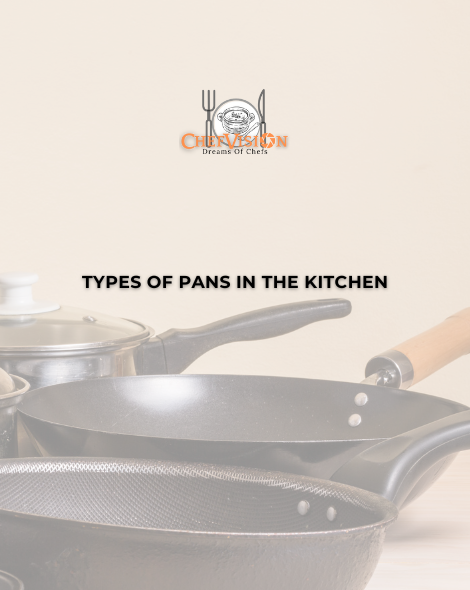
Pans are the workhorses of the kitchen, indispensable tools that allow cooks to sauté, fry, sear, and more. With a myriad of options available, understanding the different types of pans and their uses is essential for any home chef. In this article, we'll delve into the various types of pans commonly found in kitchens around the world, exploring their unique features, benefits, and ideal cooking applications.
Pans usages and Benefits
Using pans in the kitchen offers numerous benefits that enhance the cooking experience and elevate the quality of dishes
-
Versatility: Pans enable chefs to perform various cooking techniques such as frying, sautéing, simmering, and more, all within the same vessel, making them indispensable tools in the kitchen.
-
Efficient Heat Distribution: Pans distribute heat evenly, ensuring that ingredients cook uniformly and develop optimal flavor and texture.
-
Durability: Whether made of stainless steel, cast iron, or non-stick coated aluminum, pans are designed to withstand high temperatures and provide consistent cooking results.
-
Non-Stick Surfaces: Many modern pans feature non-stick surfaces that make cooking and cleaning easier by reducing the need for excess oil and minimizing food residue buildup.
-
Convenience: Using pans simplifies the cooking process, allowing chefs to prepare a wide variety of dishes with ease and efficiency.
-
Inspiration: Pans inspire creativity in the culinary arts, encouraging chefs to experiment with different ingredients and techniques to create delicious and innovative meals.
Types of Pans in the kitchen
1. Skillet or Fry Pan:
The skillet, also known as a fry pan, is a versatile kitchen essential characterized by its flat bottom and sloped sides. Available in various sizes, skillets are perfect for tasks such as frying eggs, searing meats, and sautéing vegetables. They're typically made of materials like stainless steel, cast iron, or non-stick coated aluminum, offering different heat conductivity and durability levels to suit individual preferences.
2. Saucepan:
Saucepans are indispensable tools for cooking sauces, soups, and grains. They feature tall, straight sides and a long handle, making them ideal for simmering and reducing liquids. Saucepans come in different sizes, with capacities ranging from small to large, catering to various cooking needs. Commonly made of stainless steel or aluminum, saucepans are durable, easy to clean, and compatible with most stovetops.
3. Saucier:
Similar to a saucepan but with a wider opening and rounded bottom, the saucier is designed for tasks that require constant stirring or whisking, such as making custards, gravies, and sauces. The rounded shape allows for efficient heat distribution and prevents ingredients from getting trapped in the corners. Sauciers are prized for their versatility and are often favored by professional chefs for delicate cooking techniques.
4. Sauté Pan:
Sauté pans, distinguished by their wide, flat cooking surface and straight sides, are perfect for cooking foods quickly over high heat. They're ideal for tasks like browning meats, stir-frying vegetables, and making one-pan meals. Sauté pans are available in various materials, including stainless steel, non-stick coated aluminum, and copper, offering different heat conductivity and cooking performance.
5. Dutch Oven:
Dutch ovens are heavy-duty, versatile pots characterized by their thick walls and tight-fitting lids. They're perfect for slow cooking, braising, roasting, and baking, making them essential for preparing hearty stews, casseroles, and bread. Dutch ovens are typically made of cast iron or enameled cast iron, offering excellent heat retention and distribution for even cooking.
Conclusion
From skillets to Dutch ovens, each type of pan serves a unique purpose in the kitchen, allowing cooks to unleash their creativity and culinary prowess. By understanding the characteristics and uses of different pans, home chefs can elevate their cooking game and tackle a wide range of recipes with confidence. So whether you're frying, simmering, or baking, having the right pan for the job is essential for achieving delicious results every time.
Read more Private Chef 101: Everything You Need to Know About a Private Chef
Back to List