Cooking Experience Singapore: From Heritage Wet Markets to Masterchef Studios
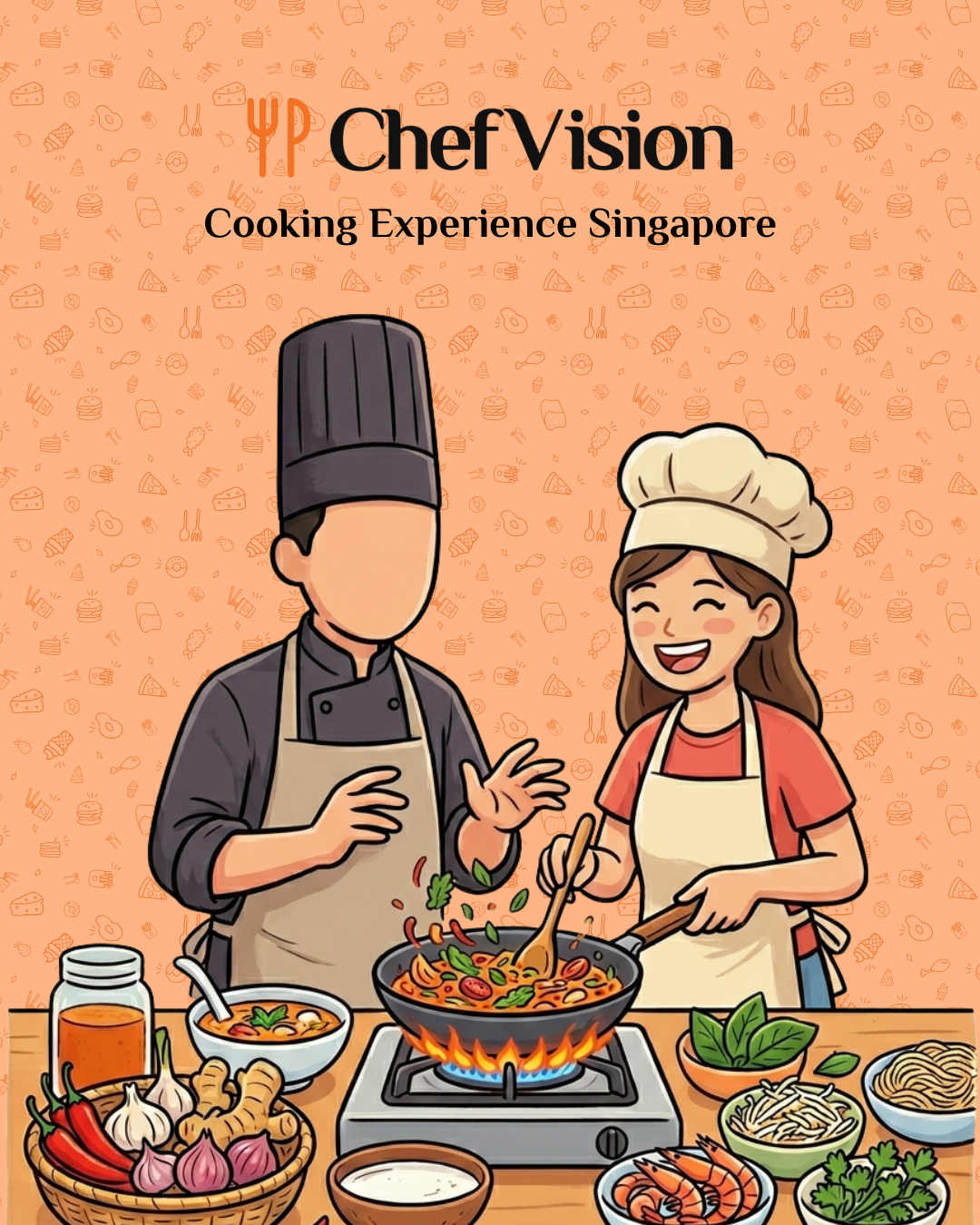
A premier cooking experience in Singapore combines cultural storytelling with hands-on skill-building, often featuring market-to-table tours in districts like Chinatown. Top-rated options include SkillsFuture-eligible heritage workshops, social enterprises focusing on elder-led instruction, and professional culinary schools. These typically range from 3 to 5 hours, costing between $100 and $250 SGD.
Why a cooking experience in Singapore is the diner's upgrade
Most people visit Singapore to eat, but a cooking experience shifts you from a spectator to a participant. It is the difference between eating a bowl of Laksa and understanding why the specific toast of the belacan (shrimp paste) dictates the entire flavor profile.
Heritage food preservation is the practice of documenting and teaching traditional recipes that are at risk of being lost as older generations retire. By joining a workshop, you aren't just buying a meal; you're supporting the continuity of "Tok Panjang" (long table) Peranakan feasts and Malay spice-paste traditions that aren't always found in modern hawker centers.
Navigating three types of culinary experiences in Singapore
The local market is split into distinct categories. Choosing the right one depends on whether you want a cultural story, a professional skill, or a way to give back to the community.
| Category | Primary Focus | Ideal For | Typical Studio |
| Tourist-Centric | Cultural immersion | Travelers, first-timers | Food Playground |
| Skill-Centric | Culinary technique | Hobbyists, aspiring pros | Palate Sensations |
| Social Impact | Community building | Locals, corporate teams | Elder-led workshops |
Cultural immersion through market-to-table experiences
The most authentic workshops don't start in a kitchen; they start at a wet market. Walking through Tekka Centre or Tiong Bahru Market with a local chef provides context that a supermarket cannot. You'll learn to identify different types of ginger, the ripeness of a coconut, and why certain fish are preferred for steamed dishes.
- Meet your instructor at a designated wet market at 8:00 AM.
- Source fresh herbs, spices, and proteins while learning about local ingredient season.
- Return to the studio to prepare a 3-course meal based on the morning's finds.
This process bridges the gap between the raw ingredient and the final plate, a rarity in a city where most food is imported.
How to use SkillsFuture credits for cooking classes (2026 guide)
For Singaporeans, the SkillsFuture Singapore (SSG) initiative makes high-end culinary training accessible. If you have a base of $500 in credits, you can offset the cost of many WSQ-certified (Workforce Skills Qualifications) workshops.
According to the Singapore Tourism Board (STB) 2025 reports, there has been a 15% increase in locals using credits for "Lifestyle and Culinary Arts" as a form of mental wellness and he ritage connection. When booking, look for the "SkillsFuture Claimable" label on platforms like Pots & Pans or specialized culinary schools. You must usually submit your claim via the MySkillsFuture portal at least 7 to 14 days before the class starts.
Finding halal, vegan, and allergy-friendly studios
Singapore's food scene is defined by its inclusivity. MUIS Halal Certification ensures that a studio follows strict Islamic dietary laws regarding ingredient sourcing and preparation. Many studios in the Kampong Gelam area specialize in Malay-Indonesian cuisine and maintain full certification.
For plant-based diners, the shift toward "Green Heritage" has led to Peranakan classes that swap meet for fermented soy products or jackfruit while keeping the traditional spice base (Rempah) intact. Always notify the studio 48 hours in advance about severe nut or shellfish allergies, as many local pastes rely heavily on dried shrimp.
Post-class replicability: can you cook this in an HDB?
The biggest failure of many cooking classes is the "Professional Kitchen Trap" using equipment or ingredients you can't find at home. We evaluated local classes based on how easily you can recreate the menu in a standard HDB flat using a basic induction hob and ingredients from NTUC FairPrice or Giant.
- Chicken Satay (Score: 9/10): Very easy. Most ingredients are staples; requires only a grill pan.
- Hainanese Chicken Rice (Score: 7/10): Moderate. Achieving the rice texture takes practice, but the tools are standard.
Hand-Pulled Noodles (Score: 4/10): Difficult. Requires specific high-gluten flour and significant physical space/technique.
Frequently asked questions
Is a cooking class in Singapore worth it for solo travelers? Yes. Most studios use communal cooking stations, making it one of the easiest ways to meet people in a structured, social environment.
Which cooking classes are SkillsFuture claimable in 2026? Look for WSQ-certified courses at institutions like Palate Sensations, Community Centres (PA), or Pots & Pans Culinary Studio.
Can children join heritage cooking workshops? Many studios offer "Junior Chef" sessions. Cultural classes like Food Playground generally welcome children aged 7 and above if accompanied by an adult.
Are there private cooking experiences for corporate team building? Most major studios offer "Masterchef-style" challenges for groups of 10 to 50, often including wine pairings or competition elements.
What is the best area in Singapore for a market tour experience? Chinatown (for traditional Chinese and Peranakan) and Geylang Serai (for Malay and Indian-Muslim cuisine) offer the most comprehensive market-to-table paths.
Read more about: Chef for Dietary Restrictions | Halal Dining
Private Dining Singapore: Restaurant-Quality Experience in Your Home
How Much Does a Private Chef Cost in Singapore? (2026 SGD Breakdown)
Back to List