Chinese-Inspired Menu Ideas for Mid-Autumn Festival in Singapore
Mid-Autumn Festival is a time for family reunions, meaningful conversations, and sharing delicious food. In Singapore, where Chinese culinary traditions meet a diverse food culture, the celebration offers a wonderful opportunity to explore familiar flavours in new and exciting ways.
While mooncakes are an important part of the festival, a memorable celebration can go beyond dessert. A thoughtfully curated Chinese-inspired menu can bring together traditional ingredients, comforting dishes, modern culinary techniques, and the warmth of a shared dining experience.
Whether you are planning a family reunion, an intimate dinner with friends, or a special gathering at home, this September is the perfect time to discover Chinese-inspired dishes that make every moment around the table more meaningful.
What Is Mid-Autumn Festival?
Mid-Autumn Festival, also known as the Moon Festival, is a traditional Chinese celebration observed on the 15th day of the eighth month of the lunar calendar. In 2026, the festival falls on 25 September.
The occasion is closely associated with the full moon, which symbolises completeness, reunion, and togetherness. Families and friends often gather to enjoy a meal, admire lanterns, exchange mooncakes, and spend quality time together.
Food plays an important role in these celebrations. Mooncakes are perhaps the most recognisable festive treat, while tea, pomelo, and shared family dishes also form part of the broader culinary experience.
For Singapore diners, Mid-Autumn Festival is an opportunity to appreciate these traditions while enjoying a menu that reflects personal preferences and the creativity of local chefs.
What Makes a Chinese-Inspired Menu Perfect for Mid-Autumn?
A Chinese-inspired menu draws inspiration from Chinese ingredients, flavours, cooking techniques, and dining traditions. It does not necessarily have to follow one specific regional cuisine or consist entirely of traditional recipes.
For a Mid-Autumn gathering, the ideal menu combines three important elements: familiar flavours, shareable dishes, and a thoughtful festive touch.
Familiar Chinese Flavours
Ingredients such as ginger, spring onions, sesame, garlic, soy sauce, mushrooms, and five-spice can add depth and character to a meal. These flavours can be incorporated into seafood, meat, vegetable, and rice dishes.
Depending on the chef's culinary background, the menu may also draw inspiration from Cantonese, Teochew, Hokkien, Sichuan, or other Chinese culinary traditions.
Dishes Made for Sharing
Mid-Autumn Festival is about bringing people together. Family-style dining allows guests to enjoy a variety of dishes while sharing stories and creating memories.
A balanced selection of seafood, meat, vegetables, rice, and soup can make the meal feel generous and welcoming. Sharing dishes also allows the host to accommodate different tastes without preparing an entirely separate meal for every guest.
A Touch of Modern Creativity
Traditional flavours can be presented in contemporary ways. A chef might reinterpret a familiar steamed fish with a citrus-inspired sauce, create a modern mushroom dish, or introduce a tea-infused dessert.
The aim is to celebrate the inspiration behind the cuisine while creating a dining experience that feels personal and exciting.
Chinese-Inspired Dishes to Enjoy This Mid-Autumn
Planning a festive menu does not have to be complicated. The following Chinese-inspired dishes offer a variety of flavours and textures that can work well for a family dinner, private dining experience, or special gathering.
1. Steamed Fish with Ginger and Spring Onion
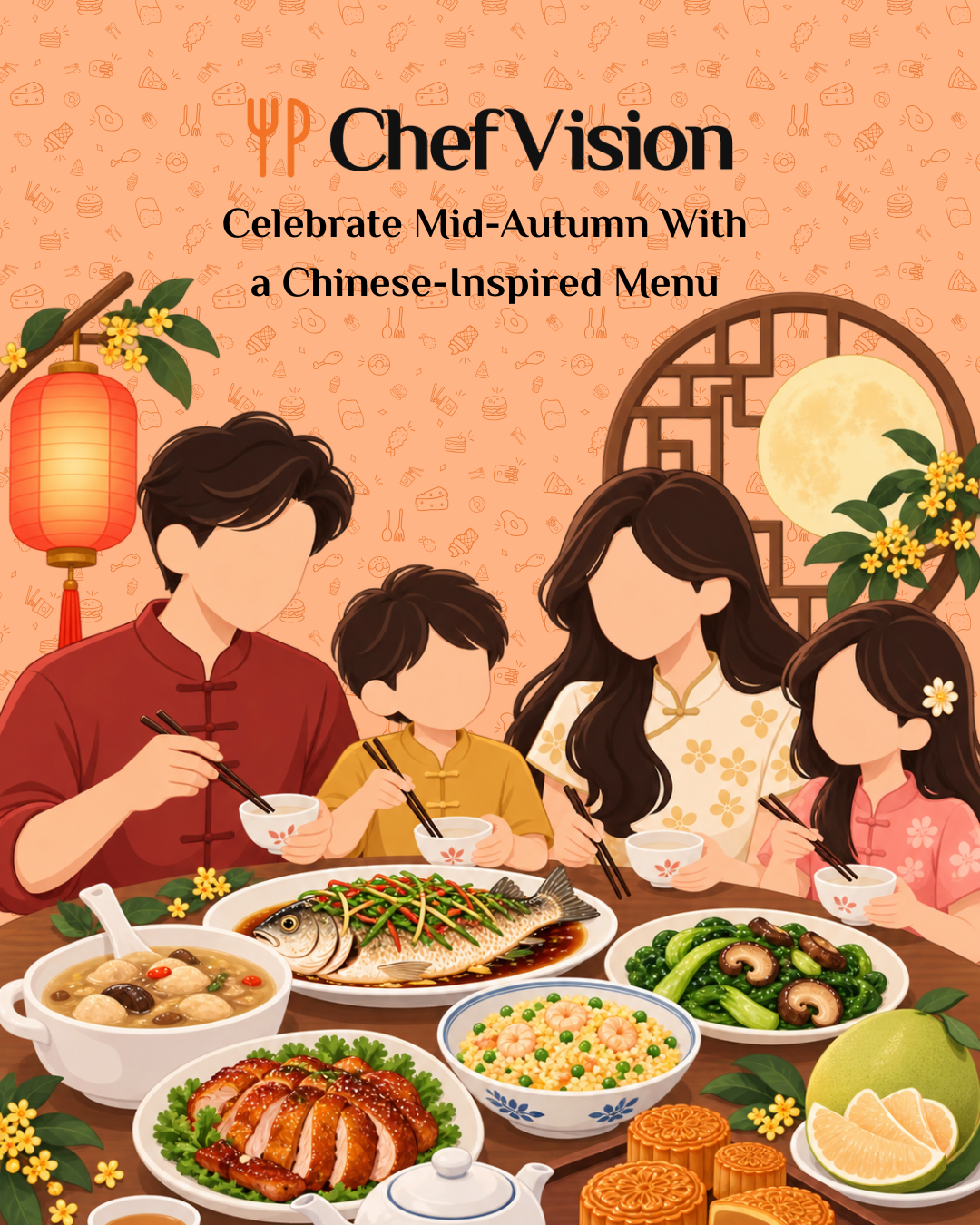
Steamed fish is a wonderful choice for a Chinese-inspired celebration. Its delicate flavour allows the freshness of the fish to shine, while ginger, spring onions, and a light soy-based sauce add fragrance and depth.
This dish works particularly well as a centrepiece for a family-style meal. Depending on availability, diners may choose a fish that suits their preferences and the size of their gathering.
For a more contemporary presentation, a chef may introduce a citrus element, aromatic oil, or carefully selected seasonal garnishes.
2. Braised Mushrooms and Seasonal Vegetables
A festive menu should include more than rich or protein-heavy dishes. Braised mushrooms and seasonal vegetables provide a comforting, savoury option that complements seafood and meat.
Mushrooms, tofu, leafy greens, and other vegetables can be prepared with ginger, garlic, sesame, or a flavourful braising sauce. These ingredients create a satisfying dish while adding colour and variety to the table.
This option can also be adapted for diners who prefer plant-based meals, subject to the chef's preparation and ingredient choices.
3. Chinese-Inspired Roasted Chicken
Roasted chicken is a versatile dish for a family gathering. Chinese-inspired seasonings such as five-spice, soy, garlic, and aromatic herbs can create a fragrant and flavourful main course.
It can be served sliced on a sharing platter, making it easy for guests to enjoy alongside vegetables, rice, and other festive dishes.
Chefs can also adjust the seasoning to suit diners who prefer milder, less-sweet, or less-salty flavours.
4. Fragrant Rice or Seafood Fried Rice
Rice is an essential part of many shared meals and can help bring the entire menu together.
A fragrant rice preparation with mushrooms, spring onions, or aromatic seasonings can complement a selection of steamed or braised dishes. Alternatively, seafood fried rice with egg, vegetables, and prawns can provide a more substantial option for larger gatherings.
The best choice depends on the other courses, the number of guests, and the overall dining experience you want to create.
5. Tea-Inspired Desserts and Mooncake Pairings
No Mid-Autumn celebration would feel complete without a thoughtful dessert course. Mooncakes are traditionally associated with the festival and can be enjoyed with Chinese tea.
For diners who prefer lighter desserts, consider options inspired by osmanthus, pomelo, or tea. Osmanthus jelly, chilled fruit, and refreshing tea-infused desserts can provide a pleasant contrast to a rich meal.
Serving mooncakes alongside tea-inspired desserts allows guests to enjoy familiar festive flavours while exploring something new.
Chinese-Inspired Menus for Singapore Diners
Singapore's culinary scene is shaped by many regional traditions and cultural influences. This makes it an exciting place to explore Chinese-inspired food during Mid-Autumn Festival.
For Chinese Families and Reunion Dinners
A family reunion menu may include familiar dishes that appeal to different generations. Steamed seafood, roasted meats, comforting soup, seasonal vegetables, and rice are all possible choices for a generous shared meal.
When planning the menu, consider the preferences of older family members, children, and guests with dietary restrictions. A thoughtful selection can help everyone feel included at the table.
For Food Lovers and Modern Diners
Diners who enjoy discovering new flavours may appreciate a contemporary interpretation of Chinese cuisine.
A chef can combine familiar Chinese ingredients with modern presentation, creative sauces, or influences from other culinary traditions. The result can be a menu that feels festive while offering something different from an everyday meal.
For accuracy, dishes should be described according to their actual culinary influences rather than being labelled as authentic regional cuisine without supporting preparation methods or background.
For Halal-Conscious and Vegetarian Guests
A Chinese-inspired menu can be adapted for different dietary needs, but ingredient details should always be confirmed with the chef or caterer.
For halal dining, ask about the sourcing and preparation of meat, stocks, sauces, and other ingredients. For vegetarian diners, tofu, mushrooms, vegetables, and plant-based proteins can provide satisfying alternatives.
Clear communication before the event helps ensure that every guest can enjoy the celebration comfortably.
Should You Prepare a Mid-Autumn Feast at Home or Book a Private Chef?
There are several ways to celebrate Mid-Autumn Festival in Singapore. Some families enjoy preparing their own dishes, while others prefer dining out, ordering festive food, or arranging a private dining experience.
Preparing Your Own Festive Meal
Cooking at home allows you to choose your ingredients, adjust flavours, and prepare family recipes that hold special meaning.
It can also be a lovely way to spend time together. However, preparing several courses requires planning, shopping, cooking equipment, and time in the kitchen.
If you are hosting a large gathering, consider choosing dishes that can be prepared in advance or served family-style.
Booking a Private Chef Experience
For those who want to enjoy a special meal without managing every part of the cooking process, a private chef experience may be an appealing option.
Through ChefVision, diners can explore private chef bookings and customised dining experiences designed around their preferences and occasions.
A private chef can help create a menu that reflects the group's desired flavours, number of guests, and dietary requirements. Depending on the service, guests may also enjoy having the meal prepared in a suitable private setting.
Before booking, discuss the menu, budget, venue, service arrangements, and dietary needs with the chef or dining provider.
How to Plan a Balanced Chinese-Inspired Menu
A memorable festive meal is not only about selecting individual dishes. It is also about how the flavours, textures, and courses work together.
Here is a simple structure to consider when planning your Mid-Autumn menu:
Welcome drink or appetiser: Begin with a light bite or a refreshing tea.
Soup or starter: Offer a comforting soup or a vegetable-based first course.
Main sharing dishes: Include seafood, roasted meat, tofu, or other dishes suited to the group.
Vegetables and rice: Add complementary vegetables and a fragrant rice preparation.
Dessert and tea: Finish with mooncakes, tea-inspired desserts, or fresh fruit.
A balanced menu should include a mixture of rich and light flavours. If the main courses are heavily seasoned, lighter vegetables or soup can provide contrast. If mooncakes are included, a refreshing dessert may help round out the meal.
Portion sizes should also be considered carefully. A menu for four diners may look very different from one designed for a large family reunion.
Why Seasonal Dining Makes Mid-Autumn More Meaningful
Seasonal dining gives people a reason to pause, gather, and enjoy food connected to a particular time of year.
Mid-Autumn Festival offers a rich theme for chefs and food businesses because it brings together mooncakes, tea, lanterns, reunion traditions, and shared meals. These elements can inspire menus that feel both familiar and distinctive.
For diners, a seasonal menu is an opportunity to discover new flavours and enjoy a celebration that goes beyond the food itself. For chefs, it is a chance to express their culinary identity through thoughtful ingredients, preparation, and presentation.
In Singapore, these experiences can take many forms, from family-style dinners and restaurant menus to private chef experiences and curated festive events.
The most important consideration is to create a menu that reflects the occasion while remaining honest about its ingredients, culinary influences, and preparation.
Frequently Asked Questions About Chinese-Inspired Menus for Mid-Autumn
What food is traditionally eaten during Mid-Autumn Festival?
If a Mid-Autumn table includes nothing else, it almost always includes mooncakes and tea. Everything beyond that, from a full reunion spread to a simple dessert course, is a matter of personal or family preference rather than tradition requiring it.
What should I include in a Chinese-inspired Mid-Autumn menu?
Build the menu around balance rather than a fixed dish list: one lighter course, one or two shared mains, a rice or noodle component, and a dessert course. The specific dishes matter less than making sure rich and light flavours offset each other across the meal.
Can I book a private chef for a Mid-Autumn dinner in Singapore?
Yes. A private chef may be able to prepare a customised menu for a home gathering or private event. Discuss the date, number of guests, location, dietary requirements, and preferred cuisine before booking.
Is a Chinese-inspired menu the same as authentic Chinese cuisine?
No, and the simplest way to tell the difference is to check whether a menu claims a specific regional origin. If it names one, the preparation should genuinely follow that region's methods. If it doesn't, "Chinese-inspired" is the more honest label.
What are good alternatives to mooncakes for dessert?
If mooncakes feel too rich after a full meal, the easiest swap is anything lighter and less sweet, such as chilled fruit or a tea-based dessert. Ask your chef or caterer what's in season rather than fixing on a specific substitute in advance.
How can I make a Chinese-inspired menu suitable for a large family gathering?
Choose dishes that are easy to share, confirm portion sizes, and ask guests about allergies or dietary restrictions. A balanced selection of several complementary courses can help create a welcoming meal for everyone.
Celebrate Mid-Autumn Festival With ChefVision
This Mid-Autumn Festival, make your gathering more than just a meal. Create an experience filled with thoughtful flavours, shared dishes, and meaningful moments with the people who matter most.
From Chinese-inspired seafood and comforting rice dishes to tea and mooncake pairings, there are many ways to celebrate the season in Singapore.
Whether you are planning a family reunion, an intimate dinner, or a special gathering at home, ChefVision can help you explore private chef experiences and personalised dining possibilities.
Ready to plan your festive gathering?
Explore ChefVision's private dining experiences, browse available chef options, or share your menu ideas with us.
Make this Mid-Autumn Festival a celebration to remember, one delicious dish and meaningful moment at a time.
Read more about: Private Chef Singapore: Hiring Costs and What to Expect