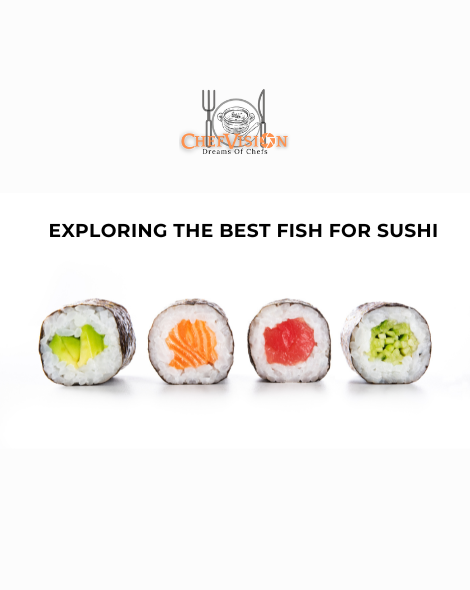
Sushi, the iconic Japanese dish, is revered for its delicate balance of flavors, textures, and visual appeal. At the heart of every sushi masterpiece is the fish, which serves as the centerpiece of the dish. However, not all fish are created equal when it comes to sushi preparation. In this guide, we'll explore the characteristics of various fish species and help you choose the perfect options for crafting exquisite sushi.
Best fish for Sushi
-
Tuna: Tuna is arguably the most iconic fish used in sushi, prized for its rich flavor and firm texture. There are several varieties of tuna commonly used in sushi, including:
-
Bluefin Tuna: Known for its buttery texture and intense flavor, bluefin tuna is a favorite among sushi connoisseurs. It comes in different cuts, with otoro (fatty tuna belly) and chutoro (medium fatty tuna) being highly sought after.
-
Yellowfin Tuna: Yellowfin tuna offers a slightly milder flavor compared to bluefin but still provides a satisfying texture and robust taste. It's commonly used in sushi rolls and sashimi.
-
Bigeye Tuna: Bigeye tuna is prized for its deep red color and tender texture. It has a slightly stronger flavor than yellowfin tuna and pairs well with a variety of sushi preparations.
-
-
Salmon: Salmon is another popular choice for sushi, prized for its buttery texture and rich flavor profile. When selecting salmon for sushi, consider the following options:
-
Atlantic Salmon: Atlantic salmon is widely available and offers a mild, delicate flavor with a creamy texture. It's often used in traditional sushi rolls and nigiri.
-
Sockeye Salmon: Sockeye salmon, also known as red salmon, has a vibrant red color and a slightly stronger flavor compared to Atlantic salmon. It's prized for its firm texture and is excellent for sashimi and sushi rolls.
-
-
Yellowtail (Hamachi): Yellowtail, or hamachi in Japanese, is a versatile fish commonly used in sushi. It has a delicate flavor and buttery texture, making it ideal for a variety of sushi preparations. When selecting yellowtail for sushi, look for bright, clear eyes and firm flesh.
-
Snapper (Tai): Snapper, known as tai in Japanese, is a flavorful fish with a delicate, sweet taste and tender texture. It's often used in traditional sushi preparations, including nigiri and sashimi. Look for snapper with bright red gills, clear eyes, and firm flesh.
-
Halibut: Halibut is a whitefish that offers a mild, clean flavor and firm texture, making it suitable for sushi. It's often used in sushi rolls and nigiri and pairs well with a variety of sushi accompaniments.
Tips for Selecting Sushi-Grade Fish
When purchasing fish for sushi, it's essential to prioritize freshness and quality. Here are some tips to ensure you're selecting the best sushi-grade fish:
- Buy from reputable sources: Purchase fish from trusted seafood markets or suppliers that specialize in sushi-grade fish. They should adhere to strict standards for handling and storage.
-
Check for freshness: Look for fish with bright, clear eyes, shiny skin, and a fresh, ocean-like aroma. Avoid fish with dull eyes, discolored flesh, or strong fishy odors.
-
Assess texture: Sushi-grade fish should have firm flesh that springs back when pressed lightly. Avoid fish that feels mushy or slimy to the touch.
-
Consider sustainability: Choose fish that are sourced sustainably to support responsible fishing practices and protect marine ecosystems.
Tips for Crafting Good Sushi:
Beyond selecting quality fish, mastering the art of sushi-making requires attention to detail and practice. Here are some tips to help you create exceptional sushi:
-
Use high-quality rice: Rice is the foundation of sushi, so use short-grain Japanese rice and prepare it with care. Properly seasoned sushi rice should be slightly sticky and seasoned with a blend of rice vinegar, sugar, and salt.
-
Perfect your rice texture: Achieve the ideal rice texture by rinsing the grains thoroughly to remove excess starch before cooking. Cook the rice with the right amount of water and allow it to steam to perfection.
-
Sharpen your knife skills: A sharp knife is essential for slicing fish and shaping sushi rolls. Keep your knife sharp and practice precise cuts to ensure uniformity and presentation.
-
Experiment with flavors and textures: Get creative with sushi fillings and toppings to add variety and depth of flavor. Incorporate ingredients like avocado, cucumber, spicy mayo, and tobiko to create unique sushi combinations.
-
Practice patience and precision: Sushi-making requires patience and attention to detail. Take your time to roll sushi tightly, slice fish evenly, and present each piece with care and precision.
Conclusion
Choosing the perfect fish is essential for creating exceptional sushi that delights the senses. Whether you prefer the rich flavor of tuna, the buttery texture of salmon, or the delicate taste of yellowtail, selecting high-quality fish is key to achieving sushi perfection. Use this guide to explore different fish options and elevate your sushi-making skills to new heights.
Read more
Back to List